

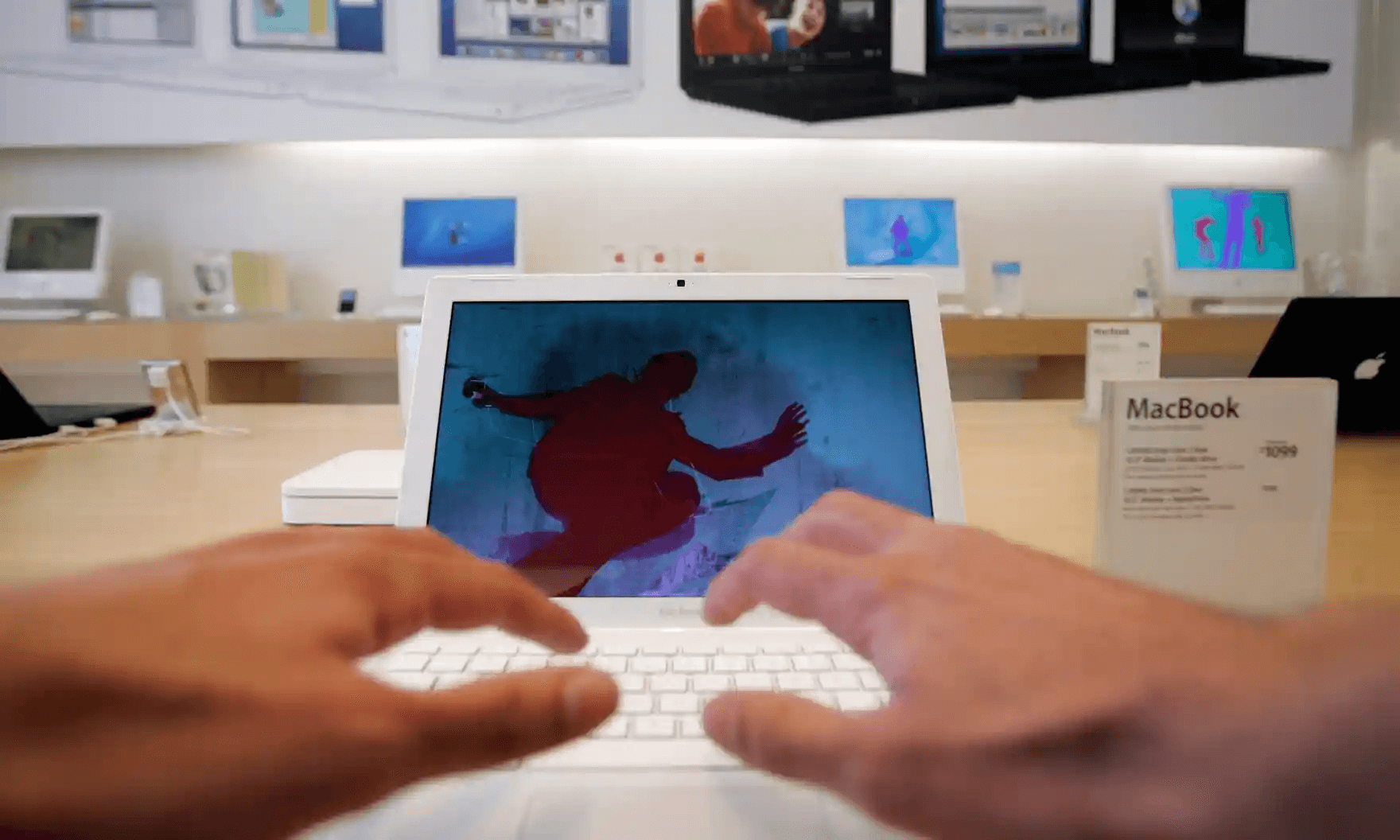
In a historic move, Apple bid farewell to its PowerPC processors and embraced the faster, more energy-efficient x86 chips from Intel in 2006. This transition marked a pivotal moment in Apple’s computing journey, reshaping the company’s product lineup and charting the course for its future success.
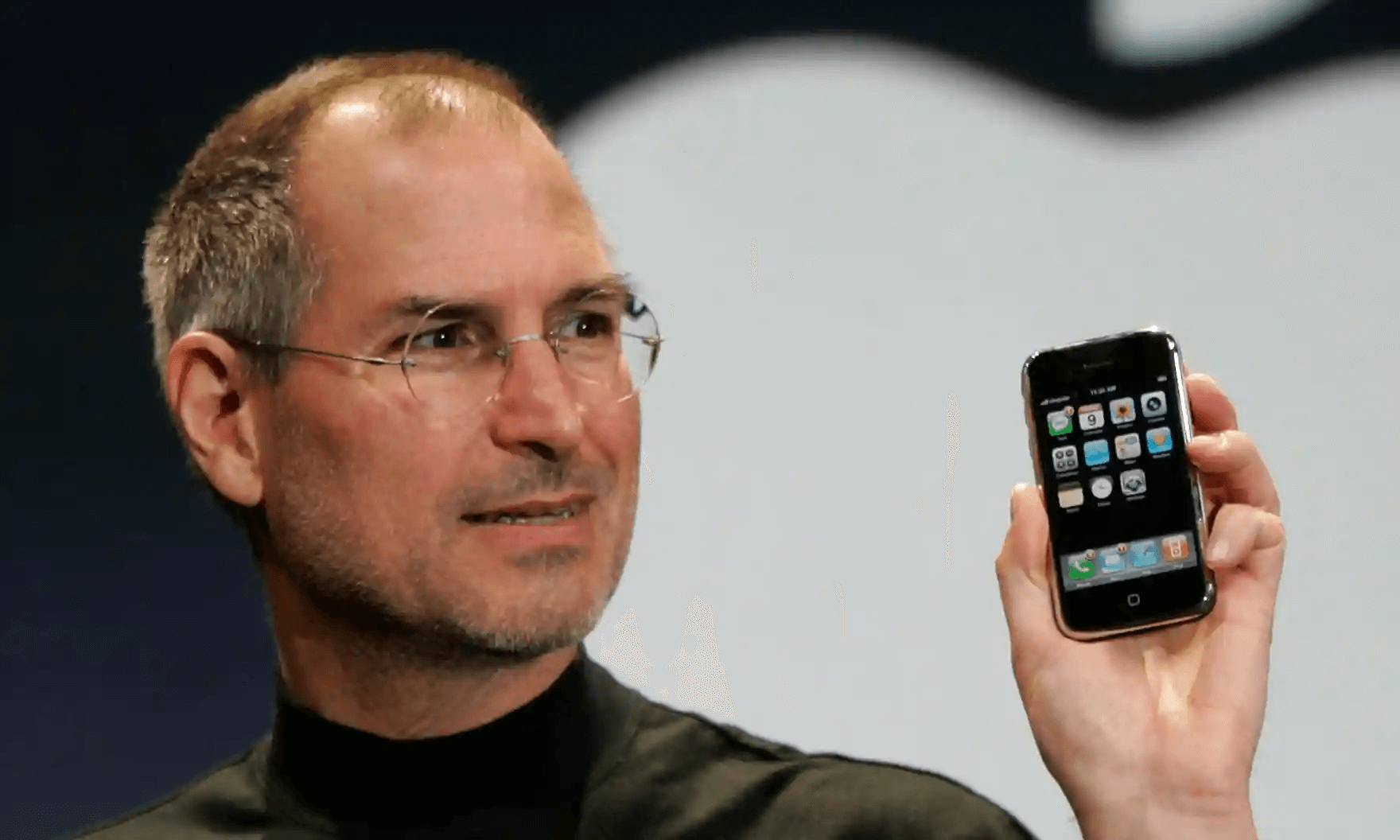
The launch of the iPhone in the wake of the iPod’s success marked a transformative moment for Apple, catapulting the company into an entirely new age of innovation and dominance. This revolutionary device boasted 4GB of storage, a cutting-edge 3.5-inch capacitive multi-touch screen, and a 620MHz Samsung processor, setting the stage for a paradigm shift in the tech world.

The MacBook Air, a monumental milestone in Apple’s laptop lineup, heralded a profound transformation in the world of computing. This visionary device not only pushed the boundaries of Apple’s laptops but also created an entirely new category of computers called ‘ultrabooks,’ a term coined by Intel.
The first MacBook Air was a daring leap towards thin and light computing, breaking free from the conventional laptop design of its time. Although it featured a relatively slow and tiny hard drive, a modest processor, and a battery life that needed improvement, its sleek and minimalist form factor captured the imagination of users worldwide.

Following the resounding success of the iPhone, Apple set its sights on reinventing tablet computers, envisioning finger-based mobile devices that would blur the lines between traditional PCs and handheld gadgets. The iPad emerged as a groundbreaking product, poised to revolutionize how we interact with technology on a larger, more immersive canvas.
In a historic move, Apple bid farewell to its PowerPC processors and embraced the faster, more energy-efficient x86 chips from Intel in 2006. This transition marked a pivotal moment in Apple’s computing journey, reshaping the company’s product lineup and charting the course for its future success.
The launch of the iPhone in the wake of the iPod’s success marked a transformative moment for Apple, catapulting the company into an entirely new age of innovation and dominance. This revolutionary device boasted 4GB of storage, a cutting-edge 3.5-inch capacitive multi-touch screen, and a 620MHz Samsung processor, setting the stage for a paradigm shift in the tech world.
The MacBook Air, a monumental milestone in Apple’s laptop lineup, heralded a profound transformation in the world of computing. This visionary device not only pushed the boundaries of Apple’s laptops but also created an entirely new category of computers called ‘ultrabooks,’ a term coined by Intel.
The first MacBook Air was a daring leap towards thin and light computing, breaking free from the conventional laptop design of its time. Although it featured a relatively slow and tiny hard drive, a modest processor, and a battery life that needed improvement, its sleek and minimalist form factor captured the imagination of users worldwide.
Following the resounding success of the iPhone, Apple set its sights on reinventing tablet computers, envisioning finger-based mobile devices that would blur the lines between traditional PCs and handheld gadgets. The iPad emerged as a groundbreaking product, poised to revolutionize how we interact with technology on a larger, more immersive canvas.