
Default Pagination
- Extend The Design Limitations of “The Events Calendar” Plugin.
- Beautiful Templates For Your Events Listing.
- Show Events Slider, Events Carousel or Events Timeline.
- Easiest Setting Panel to Manage Colors and Shortcodes.
- Display Related Posts in sticky Page Footer.
- Increase Posts CTR & Pageviews.
- Best Seo Friendly Related Posts Plugin.
- Clean & Modern Design(based on SCSS).
- Awesome Design To Show Our Process Section.
- 2000+ Active Installs.
- Web Development or Software Lifecycle Process Designer Plugin.
- Show Your Business Process Anywhere Via Easy To Use Plugin Shortcodes.
- 1000+ Active Plugin Installs.
- Awesome Flip Box Styles for Your Content.
- Add Images, Icons & Links Inside Flipboxes With Custom Colors.
[cool-timeline layout="default" designs="design-1" skin="default" category="amazon-history" show-posts="4" order="DESC" icons="dot" animations="fade-up" date-format="F d" story-content="full" based="default" compact-ele-pos="main-date" pagination="default" filters="no" timeline-title=" COMPANY HISTORY"]
Vertical Timeline Ajax Load More
In September 2008, Google launched Chrome, a web browser designed for speed, simplicity, and security. Chrome introduced features like an omnibox for unified search and address bar, incognito mode for private browsing, and automatic updates, quickly becoming a popular choice among internet users.
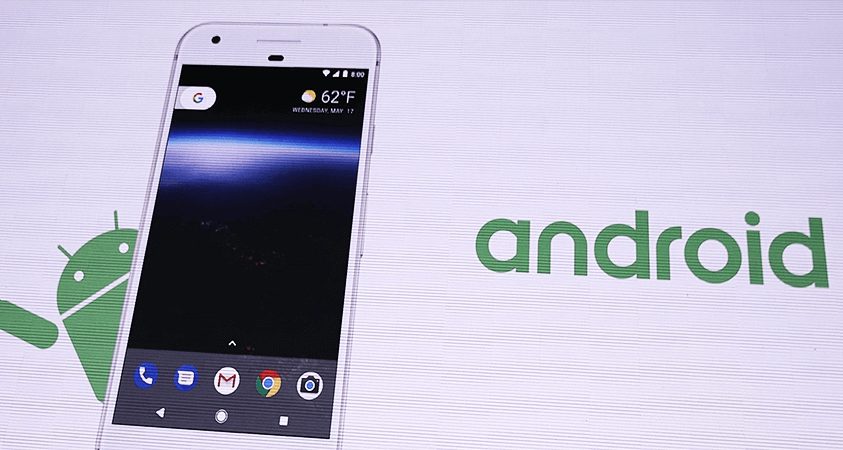
Google released the Android operating system in 2008, revolutionizing mobile technology.
- Open-source platform enabling customization and development by third-party developers.
- Integration with Google services like Gmail, Google Maps, and Google Play Store, enhancing user experience and app accessibility.
Google Panda algorithm update, launched in February 2011, aimed to improve search engine results by disciplining low-quality content and promoting high-quality, relevant content. It focused on enhancing user experience by prioritizing authoritative and valuable content in search engine rankings.

[cool-timeline layout="default" designs="design-2" skin="default" category="google-history" show-posts="3" order="ASC" icons="icon" animations="fade-up" date-format="F d" story-content="full" based="default" compact-ele-pos="main-date" pagination="ajax_load_more" filters="no" timeline-title=" "]
Horizontal Timeline Ajax Load More
A Resolution to Explore Apple’s History
The Apple I, hailed as the pioneering creation of the tech industry, marked the genesis of the legendary Apple Inc. Designed and handcrafted in 1976 by the brilliant mind of Apple’s co-founder, Steve Wozniak, this revolutionary computer sparked a chain of events that would forever change the face of modern computing. Conceived through the visionary collaboration with his friend and co-founder, Steve Jobs, the Apple I paved the way for the global tech empire we know today. With its humble yet powerful beginnings, this iconic device laid the foundation for a world captivated by innovation and imagination, forever etching its name in the annals of computer history.
Pioneering Innovation, Costly Ambition
The Apple Lisa computer, an ambitious marvel of its time, revolutionized the computing landscape with a fusion of cutting-edge features. Boasting an integrated screen, a user-friendly interface, and Apple’s first-ever mouse, the Lisa marked a pivotal milestone in the history of personal computing.
The Portable Computer of 1984
In the pioneering era of personal computing, the Apple IIc emerged as a trailblazer in the realm of portability. Dating back to 1984, this compact marvel was deemed a ‘portable’ computer, offering users the convenience of mobility like never before.
The Birth of Affordability and Graphical User Interface in 1984
In the groundbreaking year of 1984, the tech world witnessed not one but two remarkable milestones. Alongside the advent of portable Apple computers, the revolutionary Macintosh computer was born. Marking a pivotal moment in computing history, the Macintosh emerged as the first ‘affordable’ computer featuring a revolutionary graphical user interface (GUI).
The Iconic Journey of Innovation
In the annals of technology history, the departure of Steve Wozniak marked a turning point for Apple Inc. as it embarked on a new chapter under the leadership of chief executive John Sculley. However, behind the scenes, a dramatic power struggle ensued, with Sculley attempting to oust Steve Jobs from his positions as chairman of the board and head of the Macintosh division.
[cool-timeline layout="horizontal" designs="design-1" skin="default" category="amazon-history" pagination="ajax_load_more" show-posts="5" order="ASC" icons="icon" animations="flip-left" date-format="d M, Y" story-content="full" year-label="show"year-navigation="show" navigation-position="center" year-label="show" items="1"]